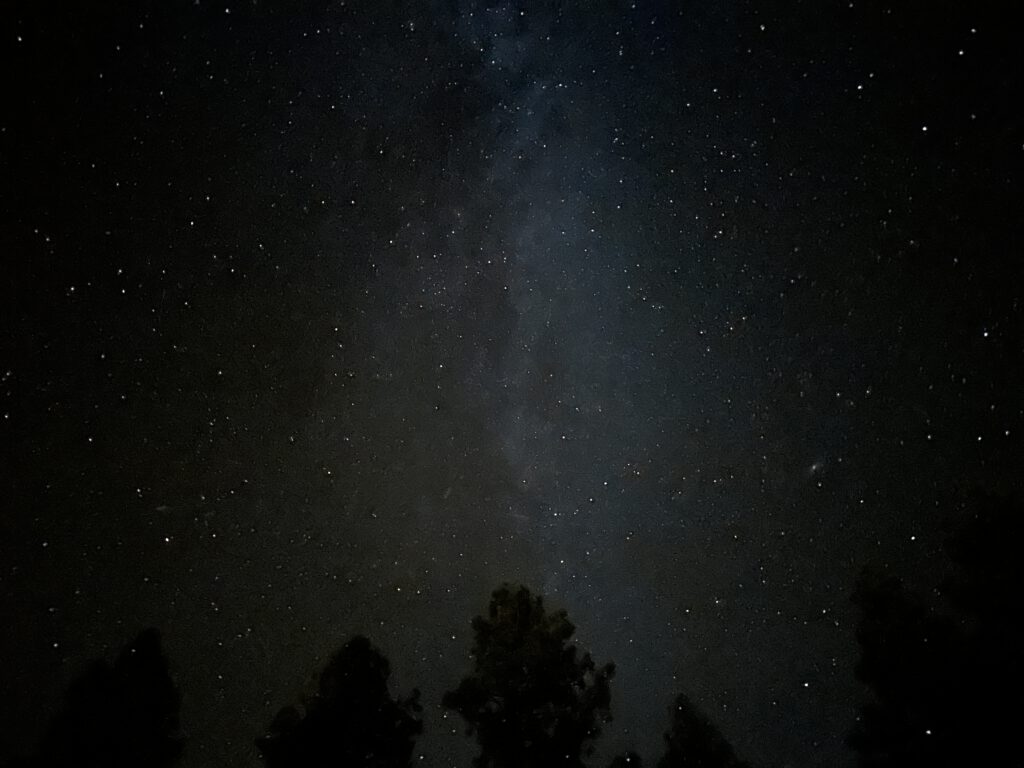
It’s not often that we get the chance to see the sky as we’re supposed to.
As a city dweller, my skies are bright at all times of the day. Even in the middle of the night, I’m surrounded by bright lights that drown out the magnificence of the dark sky. It would be impossible to see the true night sky in the heart of a modern city.
I grew up in a town on Lake Michigan north of Chicago, and moved to the suburbs of Philadelphia when I was 13. I didn’t know much about dark skies growing up, but as a kid, I was fascinated by space and the ability to see stars and planets in the night sky with the naked eye.
As my interest in astronomy grew, stargazing with my first telescope became my favorite hobby: I’d sit outside on the front step and gaze into the sky through a clearing of trees. Even in the suburbs, not much was visible, but I was able to see the moon and the occasional planet.
I traveled west for the first time when I was 16, visiting family in St. George, Utah. I packed my telescope, and for the first time with my telescope, I’d be able to see a true dark sky. I remember the feeling of seeing the sky the first night we were there. Instead of seeing dozens of stars in the sky, I saw thousands.
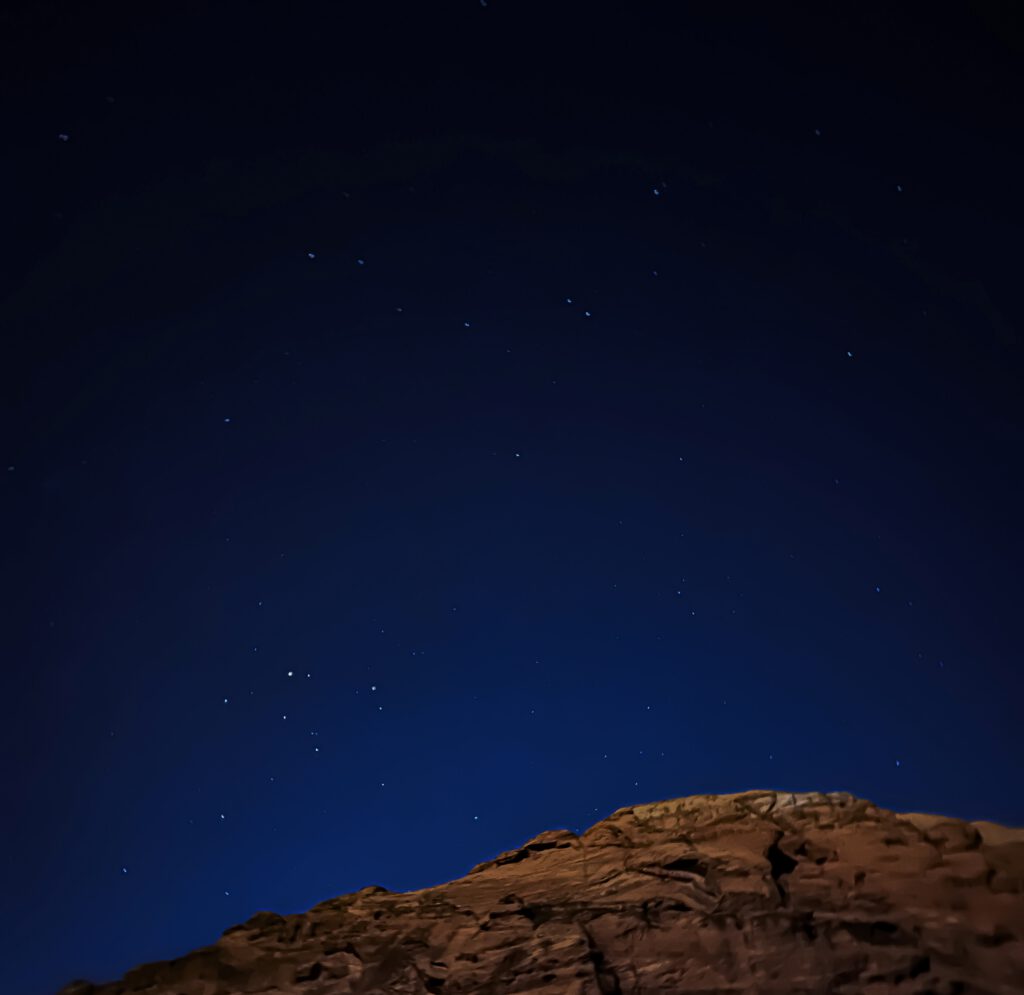
Each minute I sat out in the yard each night, more of the sky would reveal itself as my eyes adjusted more to the dark. The sky was unbelievable. For the first time in my life, I saw the milk way with my own eyes.
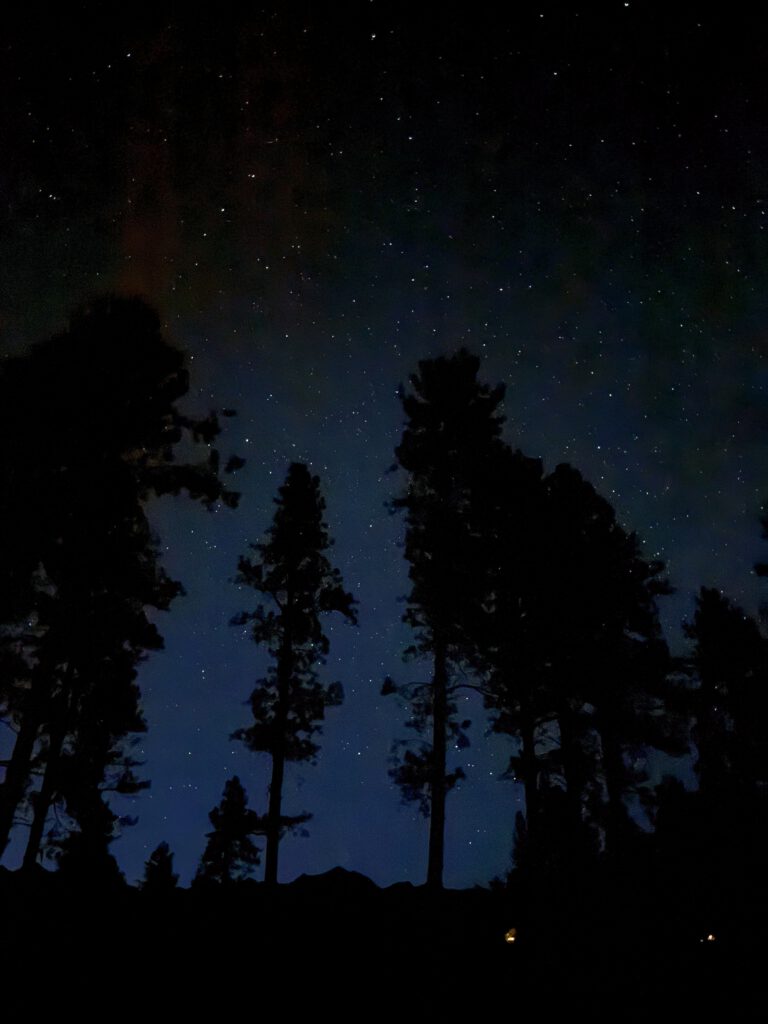
Now that I live in a city, the beauty of a truly dark sky is often hidden. On a recent trip to Colorado, I found myself under a dark sky once again, reminded of what it felt like to take the time to sit, look up, and allow myself to wonder.
Space Exploration Began by Looking Up
This is how the skies always looked, everywhere. In a time before technology and industrialization, the stars were a tool. Humans used the stars for navigation, tracking time, exploration, storytelling, folklore and religion.
Humans have been studying the sky for millenia. The skies, constellations, and planets we see today in the night sky are the same that were studied by ancient civilizations.
There was a time where stargazing wasn’t just a hobby or science, the practice was integrated into daily life.
Every spacecraft we’ve ever launched, every space mission that’s been developed all began by looking up at the sky and allowing ourselves to think about what else may be out there and what can we learn from it.
Light Pollution and Skyglow
Light pollution, or the excessive use of artificial outdoor light, damages our ability to view the night sky. This is a side effect of an industrialized society: Lighting up dark areas with improperly shielded overhead lights effectively causes skyglow in the surrounding area releasing a disproportionate and excessive amount of light into the sky illuminating the sky beyond what’s natural.
“Skyglow” is a term used to describe an increased apparent brightness of the night sky, the apparent ‘dome’ of light created by artificial light that we see in cities or brightly lit communities across the planet.
Light pollution doesn’t just hinder our ability to marvel in the beauty of the night sky, it also affects the migration patterns of certain insects and animals that follow the light of the moon. Skyglow makes the halo glow of the moon less noticeable and can confuse the animals, causing them to get lost. Sea turtles are a great example of a species affected by light pollution, as bright lights from beach houses near the shore can confuse them when they hatch and they migrate there as opposed to the water.
The Stars Never Disappeared; We just built brighter lights
Light pollution is a coordinated and cumulative occurrence, and to reverse its effect would require immense cumulative effort. One of the best ways to reduce it is to dramatically reduce the amount of upward facing or unshielded outdoor lighting.
If everyone were to experience a true dark sky, I believe we would collectively recognize the benefit of having access to viewing the night sky ourselves and be motivated to make these changes.
We’re often caught up in the hustle of modern life, focused on living within our devices, hurrying through our days. What would it feel like to be able to look up at the end of the day and truly see the night sky?
[01] What is light pollution? – Darksky.org
[02] What is Skyglow – And How Is It Affecting Our Night Sky? – Dark Sky Texas
Leave a Reply